
Career Guide: Oncology Nurse
Here’s what you need to know.
Toggle Navigation
Our Enrollment Counselors are here to answer your questions and walk you through the enrollment process.
Career Overview: Oncology Nurse
A cancer diagnosis can be one of the most challenging experiences a person and their loved ones will ever face. Throughout treatment, patients often rely on oncology nurses to provide care, answer questions and help manage the physical and emotional challenges that come with cancer treatment.
For registered nurses (RNs) interested in specialized patient care, oncology nursing offers an opportunity to make a meaningful impact during some of healthcare’s most important moments. In this guide, you can explore what oncology nursing is, responsibilities and how to enter this growing nursing specialty.
What Is Oncology Nursing?
Oncology nursing is a specialized area of nursing focused on caring for patients diagnosed with cancer. These nurses support individuals throughout their cancer care journey, from diagnosis and treatment to recovery, long-term management or end-of-life care.
These nurses provide patient care, symptom management and emotional support while helping patients and their families understand treatment plans and care options. Oncology nurses may work in hospitals, cancer centers, outpatient clinics, infusion centers and hospice care settings.
What Do Oncology Nurses Do?
Responsibilities for cancer nurses depend on where they work and the patients they serve. In most settings, they help manage cancer treatment, monitor patient progress and provide education and support.
Core Duties and Responsibilities
Oncology nurses often balance clinical care with patient education and emotional support. For example, they may monitor a patient receiving chemotherapy while helping family members understand possible side effects and ongoing care needs. Common responsibilities include:
- Administering medications and cancer treatments
- Monitoring symptoms and treatment side effects
- Educating patients and families about treatment plans
- Collaborating with physicians and healthcare teams
- Supporting emotional and psychological needs
- Assisting with pain management and symptom control
- Documenting treatment responses and patient progress
Work Environment Variations
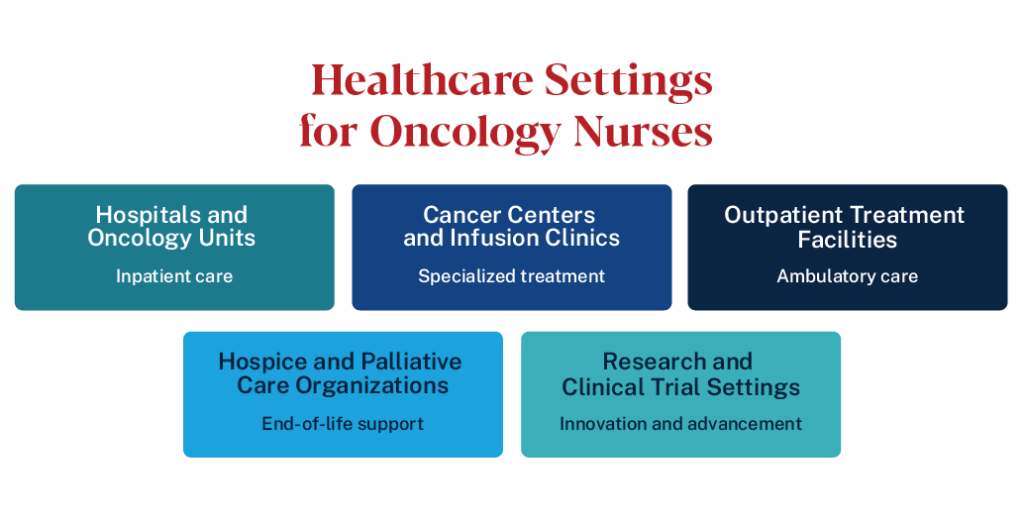
Oncology nurses work in a variety of healthcare settings depending on patient needs and treatment types. Common work environments include:
- Hospitals and oncology units
- Cancer centers and infusion clinics
- Outpatient treatment facilities
- Hospice and palliative care organizations
- Research and clinical trial settings
Skills & Traits That Make a Successful Oncology Nurse
Oncology nursing combines clinical expertise with gentleness and empathy. Success often requires strong communication, emotional resilience and attention to detail.
Essential Soft Skills
Because oncology nurses spend significant time caring for patients and their families, strong interpersonal skills are essential. Important soft skills include:
- Compassion and empathy
- Communication and patient education skills
- Emotional resilience
- Critical thinking and problem-solving
- Teamwork and collaboration
Important Technical Skills
Oncology nurses must also develop specialized clinical knowledge related to cancer treatment and patient care. Important technical skills may include:
- Knowledge of oncology nursing care and treatment protocols
- Medication administration and infusion therapy
- Patient assessment and symptom management
- Clinical documentation and care planning
- Understanding oncology safety procedures
How These Skills Apply on the Job
These skills help oncology nurses support patients through complex cancer treatments, ongoing care needs and treatment effectiveness throughout the care process.
Oncology Nurse Education Requirements
Individuals researching oncology nurse education requirements typically begin by becoming RNs before pursuing oncology-specific experience and training.
Minimum Education Requirements
Oncology nurses must earn either an associate degree in nursing (ADN) or Bachelor of Science in Nursing (BSN) and obtain registered nurse licensure.
Preferred Education Pathways
Many employers prefer BSN-prepared registered nurses, particularly in specialized healthcare settings. Clinical experience in oncology, medical-surgical nursing or acute care can also help prepare nurses for oncology roles.
Certifications and Training Options
Many oncology nurses pursue the Oncology Certified Nurse (OCN) credential to demonstrate specialized knowledge in cancer care. Continuing education and advanced oncology training can further support career growth.
How to Become an Oncology Nurse
- Earn a Nursing Degree
The first step toward becoming an oncology nurse is completing an ADN or BSN program. Students interested in nursing may benefit from learning how to prepare for nursing school and understanding how long it takes to become a nurse before beginning their education journey.
- Obtain RN Licensure
After completing a nursing degree, graduates must pass the NCLEX-RN examination to become licensed RNs.
- Gain Clinical Nursing Experience
Many oncology nurses begin their careers in hospitals or patient care settings where they gain experience caring for patients with complex medical conditions. This experience helps build the clinical judgment needed for oncology nursing care.
- Pursue Oncology Nursing Certification
As nurses gain experience, many pursue the OCN credential and additional continuing education opportunities focused on cancer treatment and patient care.
- Optional: Advance With Graduate Education
Some oncology nurses pursue graduate degrees to prepare for leadership positions, advanced practice nursing roles or specialized oncology career opportunities. American College of Education (ACE) offers an RN to MSN and BSN to MSN pathway that can equip you for leadership.
Day-in-the-Life & Real-World Scenarios
A Typical Workday
An oncology nurse’s day may include administering medications, monitoring treatment side effects, educating patients and coordinating care plans with physicians and other healthcare professionals. Depending on the setting, they may spend part of the day managing infusion treatments, reviewing lab results or checking in with patients to assess symptoms and treatment progress.
Real-World Examples
An oncology nurse may support a patient receiving chemotherapy by monitoring symptoms, providing education and helping address treatment concerns. They may also help patients and their families understand long-term cancer care plans, manage side effects at home and connect with available support resources during treatment.
What Success Looks Like in the Role
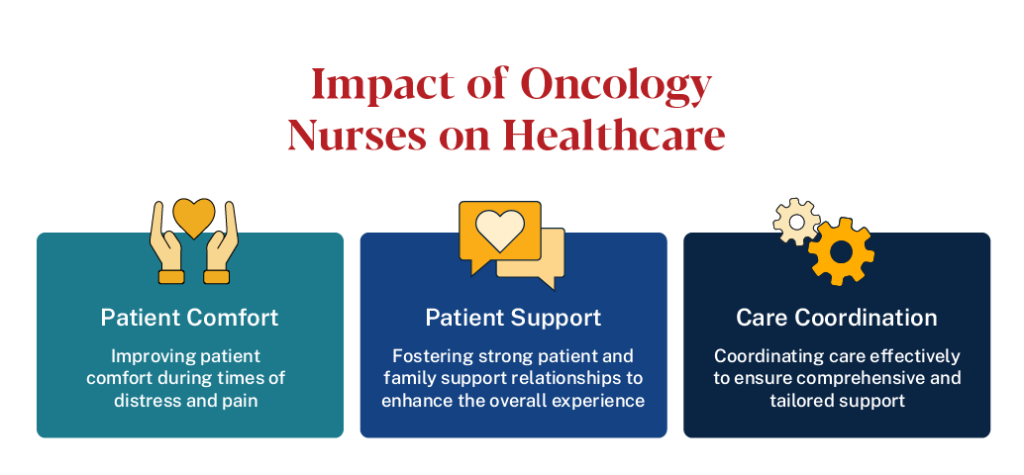
Effective oncology nurses help patients feel informed, supported and cared for throughout treatment while maintaining strong communication with healthcare teams. Their ability to combine technical knowledge with compassion can have a meaningful impact on both patient outcomes and the overall care experience.
Oncology Nurse Salary & Job Outlook
Oncology nurse salary potential varies based on experience, location, certifications and healthcare setting. Because specialty nurses are classified under registered nurses, salary and employment projections are typically based on broader RN workforce data.


FAQs
Do oncology nurses administer chemotherapy treatments?
Yes. Many oncology nurses administer chemotherapy and other cancer treatments after receiving specialized training and following established safety protocols.
What certifications are available for oncology nurses?
One of the most recognized credentials is the Oncology Certified Nurse (OCN) certification offered to eligible registered nurses.
Can oncology nurses work in outpatient clinics?
Yes. Many oncology nurses work in outpatient clinics, infusion centers and cancer centers where patients receive treatment without hospital admission.
What makes oncology nursing different from other nursing specialties?
Oncology nursing focuses specifically on cancer care, including treatment management, symptom control, patient education and emotional support for patients and their families.
Your Career in Oncology Nursing Starts With ACE
Oncology nurses provide compassionate care, patient education and clinical expertise throughout the cancer treatment journey. For registered nurses interested in making a lasting impact on patients and families, oncology nursing can offer a rewarding and meaningful career path.
ACE offers affordable nursing degree programs designed to support your professional growth and long-term career goals without disrupting your day-to-day busy schedule.